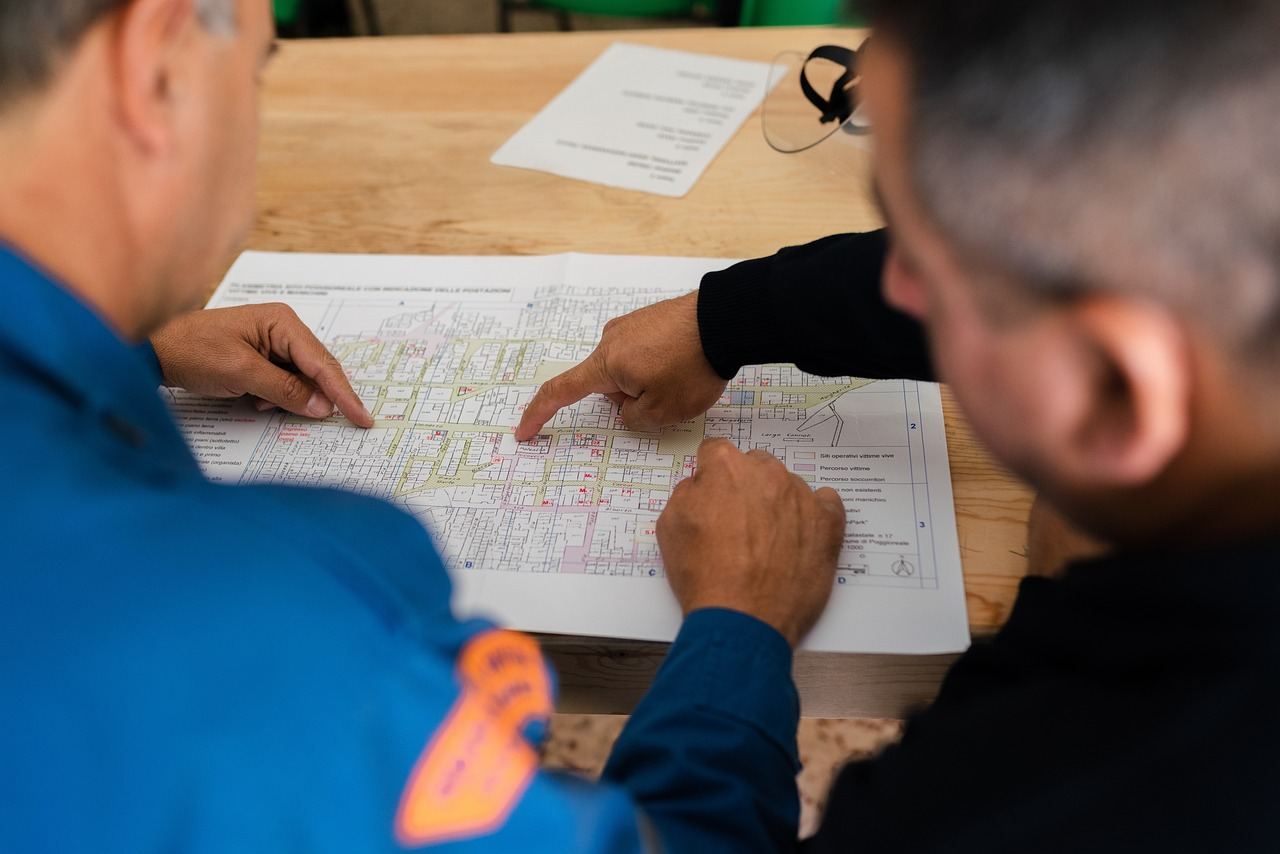
If you are trying to make sense of emergency management, the short answer is this: it is the coordination of activities that prepare for, respond to and recover from disasters. Here is how its five phases, roles and public warning fit together.
| Item | Value |
|---|---|
| Phases in the University of Nevada, Reno model | 5 phases |
| Mission areas covered by the national frameworks | 5 mission areas |
| Core capabilities in the National Mitigation Framework | 7 core capabilities |
| Guiding principles for mitigation capabilities | 4 principles |
The phase count comes from the University of Nevada, Reno organizational resilience page, and the framework figures come from the FEMA National Mitigation Framework course transcript. Frameworks and course material get revised, so check the sources before you rely on these figures.
What emergency management means
According to the glossary in a FEMA Emergency Management Institute course, emergency management is the coordination and integration of all activities needed to build, sustain and improve the capability to prepare for, protect against, respond to, recover from or mitigate threatened or actual disasters. That covers natural disasters, acts of terrorism and other manmade disasters.
The same glossary treats an emergency as any incident, human-caused or natural, that requires responsive action to protect life or property. A disaster is distinguished from an emergency by the greater level of response required, and disasters need resources beyond those available locally.
Hazards fall into two broad groups: natural, and adversarial or human-caused. The glossary says the human-caused group includes technological hazards, caused by the tools, machines and substances of everyday life, and intentional acts, caused by people attacking or damaging what a society values.
FEMA, the US federal agency named in these sources, was created in 1978 to provide a single point of accountability for federal activities on disaster mitigation and emergency preparedness, response and recovery, per its glossary entry. The terms and agencies in this guide therefore reflect the US system. Where you live, your official local emergency authorities set the rules and the steps to follow.

The five phases of emergency management
The University of Nevada, Reno describes five phases: prevention, mitigation, preparedness, response and recovery, as set out on its phases page. Together they outline how communities and organizations reduce risk, prepare for emergencies, respond effectively when disasters occur and recover in the aftermath. A dedicated guide to the emergency management phases goes through each stage in more depth.
National planning documents use a related grouping. FEMA course material says its frameworks describe how core capabilities are built, sustained and delivered across five mission areas: Prevention, Protection, Mitigation, Response and Recovery, per the mitigation framework transcript.
| Phase | Main focus |
|---|---|
| Prevention | Stopping hazards from occurring, whether natural, technological or caused by humans |
| Mitigation | Reducing loss of life and property by lessening the impact of disasters and emergencies |
| Preparedness | A continuous cycle of planning, organizing, training, equipping, exercising, evaluating and corrective action |
| Response | Actions aimed at saving lives, reducing economic losses and alleviating suffering |
| Recovery | Restoring critical community functions and returning the affected area to some degree of normalcy |
The table summarizes the University of Nevada, Reno phases page. Other organizations group or label the phases differently, so check the source and your local authority’s own model.
Prevention and mitigation
Prevention focuses on stopping hazards from occurring. Not all hazards are preventable, but good evacuation plans, environmental planning and design standards can limit the risk of loss of life and injury.
Mitigation covers measures that prevent an emergency, reduce its chance or reduce the damage from unavoidable ones. Building codes, zoning requirements and defensible space around homes to protect them from wildfire are examples. FEMA’s mitigation course adds that appropriate choices made before an event can help reduce long-term risk and potentially reduce response requirements, as the transcript explains.
Preparedness
Preparedness is described as a continuous cycle, and training and exercising plans is called its cornerstone. Typical measures include:
- Developing mutual aid agreements and memorandums of understanding.
- Training for both response personnel and concerned citizens.
- Conducting disaster exercises to reinforce training and test capabilities.
- Presenting all-hazards education campaigns.
Response
The response phase is a reaction to a catastrophic disaster or emergency, and it relies on the coordination and management of resources using the Incident Command System. Response actions may include:
- Activating the emergency operations center.
- Evacuating threatened populations.
- Opening shelters and providing mass care.
- Emergency rescue and medical care.
- Fire fighting, and urban search and rescue.
Recovery
Recovery consists of activities that continue beyond the emergency period to restore critical community functions and begin stabilization. It begins immediately after the threat to human life has subsided. Typical recovery actions include:
- Debris cleanup.
- Financial assistance to individuals and governments.
- Rebuilding roads, bridges and key facilities.
- Sustained mass care for displaced human and animal populations.
The phases are not sealed boxes. The FEMA mitigation course notes that mitigation during recovery helps build a more resilient community able to withstand future disasters.

Who does what in emergency management
Emergency management is shared work, and the FEMA glossary and mitigation course describe several distinct roles:
- Emergency manager: the person with day-to-day responsibility for emergency management programs, coordinating a jurisdiction’s mitigation, preparedness, response and recovery capabilities.
- First responders: people responsible in the early stages of an incident for protecting and preserving life, property, evidence and the environment, together with emergency management, public health, clinical care, public works and other skilled support staff.
- Agencies: governmental organizations are most often in charge of an incident, private-sector organizations may be included in some circumstances, and nongovernmental organizations may provide support.
- The whole community: individuals, nonprofit entities, the private sector, communities, critical infrastructure owners and governments all have meaningful roles.
The mitigation course names four principles, one of which is a shared risk-conscious culture. It describes that culture as the understanding that future disasters will occur and that every person has a responsibility to prepare for and respond appropriately to these risks.
Coordination of information and resources normally happens at an emergency operations center, the physical location that supports on-scene incident management. The glossary adds that it may be a temporary facility or a more central, permanently established one.
On scene, the response phase uses the incident command system. The glossary describes the National Incident Management System’s command and management component as a flexible, standardized incident management structure, and a common operating picture gives commanders and supporting agencies the information to make effective, consistent and timely decisions, per the glossary.
How risk is assessed and plans are tested
Planning starts with understanding hazards. The glossary’s hazard analysis process lists the basic steps for assessing risks and vulnerabilities in a community:
- Identify hazards.
- Profile hazards.
- Inventory assets.
- Estimate losses.
A hazard vulnerability assessment is the longer treatment of this work. It draws on a community exposure profile, a list of which community assets could be affected by hazards that may occur, and on critical infrastructure such as public safety services, health care, utilities and transportation systems.
Findings feed planning. An emergency operations plan is defined in the glossary as an ongoing plan for responding to a wide variety of potential hazards. A DHS archive page adds that strategic and operational planning sets priorities and helps stakeholders learn their roles, though that page carries a notice that archived content may be outdated.
Exercises then test those plans. The glossary distinguishes three common types:
- Drill: a coordinated, supervised activity normally used to test a single specific operation or function.
- Functional exercise: a fully simulated, interactive exercise testing an organization’s capability to respond to a simulated event, without moving equipment to a site.
- Full-scale exercise: a multi-agency, multi-jurisdictional, multi-discipline exercise that mobilizes personnel, equipment and resources in a highly stressful environment simulating real response conditions.
Afterwards, an after-action report is completed to address opportunities for improvement of plans and procedures.
Where public warning fits in emergency management
Public warning is where planning reaches people. In FEMA’s mitigation course, Public Information and Warning is one of seven core capabilities, listed alongside planning, operational coordination, community resilience, long-term vulnerability reduction, risk and disaster resilience assessment, and threats and hazards identification, per the course transcript.
The glossary defines communications as the transmission of information through verbal, written or symbolic means. Warnings often lead to evacuation, which it defines as the organized, phased and supervised withdrawal of civilians from dangerous or potentially dangerous areas, and their reception and care in safe areas.
These related guides cover the topics around warning in more detail:
- The overview of public warning systems looks at how authorities reach the public.
- The guide on how do emergency alerts work follows a message from an authority to the public.
- The page on the mass notification system covers one category of technology organizations use to reach people.
- Message planning is covered in guides to the emergency communication plan and the crisis communication plan.
- Two common weaknesses are explained in the guides on warning fatigue and accessible emergency alerts.
- The terms used in evacuation messages are compared in the explainer on evacuation warning vs evacuation order.
This is an independent educational site. It does not issue alerts or warnings, so for warnings and personal safety steps, follow your official local emergency authorities.

Frequently asked questions
What is the difference between an emergency and a disaster?
Show answer
In the glossary used here, a disaster is a dangerous event causing significant human and economic loss that demands a crisis response beyond the scope of any single agency or service, such as the fire or police department. Smaller incidents that call for action to safeguard people or property are treated as emergencies.
Are the five phases the same as the national mission areas?
Show answer
Not exactly. The university’s phase list names preparedness, while the FEMA mission-area list names Protection in its place. Both lists include prevention, mitigation, response and recovery.
Why do organizations run exercises?
Show answer
Plans on paper prove little until people use them. Exercises expose gaps, and the after-action report turns those gaps into recommended improvements to plans and procedures.
Does this site send emergency alerts?
Show answer
No. It is an independent educational site with no connection to any alerting authority or company, and it cannot warn you about an event. Rely on your official local emergency authorities for alerts and safety instructions.