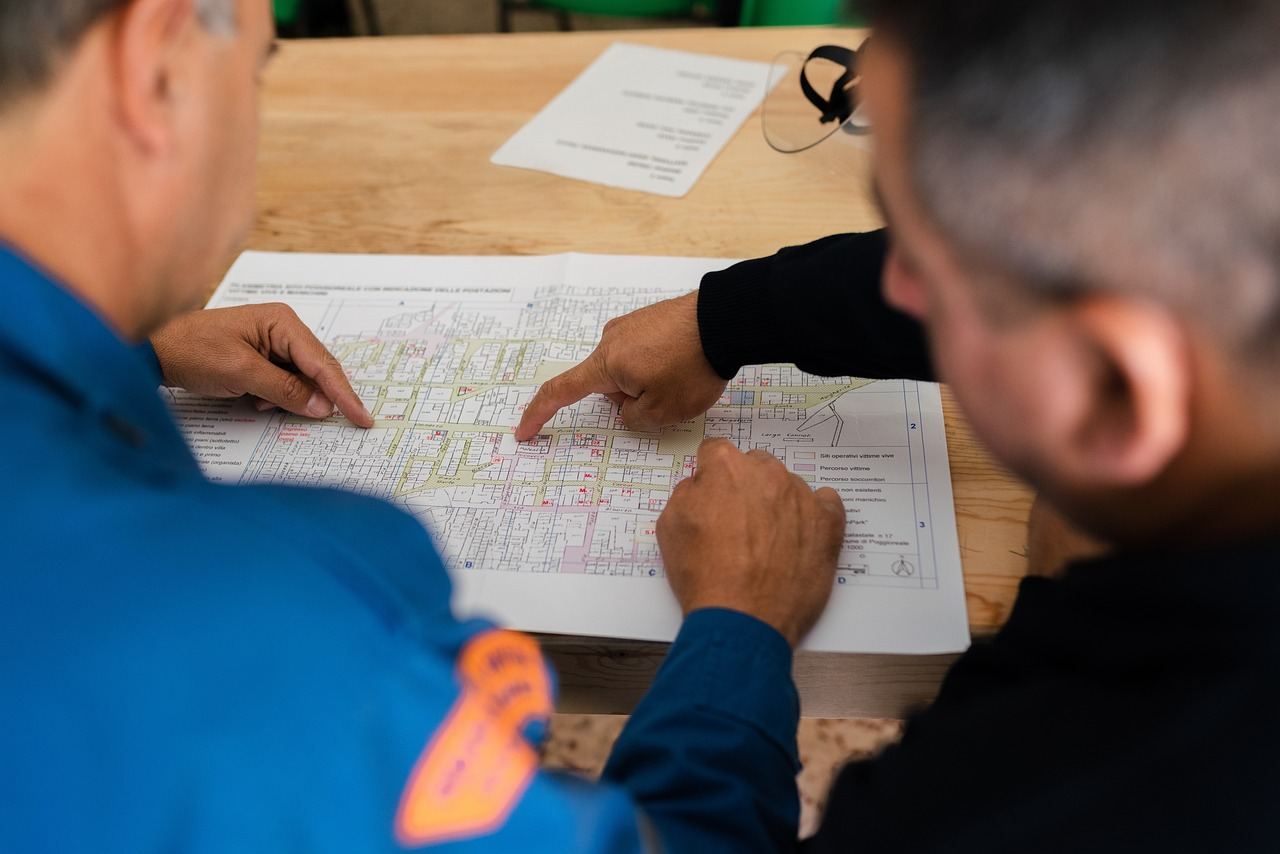
A hazard vulnerability assessment can feel like guesswork when every hazard seems urgent. You can start by listing the hazards most likely to hit your site and community, then rank them with input from partners.
This guide is part of the wider topic of emergency management, where assessment feeds planning and response.
| Item | Value |
|---|---|
| ASPR TRACIE topic collection last refreshed | August 2025 |
| CMS Emergency Preparedness Rule | Requires a risk assessment/HVA (as of the August 2025 refresh) |
| FEMA planning guide CPG 201 (THIRA) | Three-step process |
| RISC Toolkit | Version 2.0, published 2023 |
| Outside input to an HVA | Ideally from experts beyond your own institution |
These figures come from the ASPR TRACIE Hazard Vulnerability/Risk Assessment Topic Collection. They can change, so check the source before you rely on them.
What a hazard vulnerability assessment covers
A hazard vulnerability assessment (HVA) is a systematic way of identifying the hazards or risks most likely to affect a healthcare facility and the surrounding community, according to the ASPR TRACIE topic collection. That page writes “hazard vulnerability analysis” and pairs it with risk assessment. This guide uses the assessment wording for the same exercise.
The practical output is a ranked list of hazards. That list tells you where planning time, training and money should go first.
The same source says multiple tools and resources exist to help healthcare organizations and public health departments prioritize planning efforts based on the hazards they identify. Healthcare is the focus of that collection, but the logic of listing, rating and ranking hazards carries over to other organizations and jurisdictions.
Who requires a hazard vulnerability assessment?
As of the ASPR TRACIE collection’s August 2025 refresh, conducting a risk assessment or HVA is a requirement in the CMS Emergency Preparedness Rule. The Joint Commission’s emergency management standards and the NFPA’s healthcare emergency management chapter also require an HVA, per the same collection. Confirm the exact wording that applies to your organization with the regulator or accreditor.
The source adds that an HVA should ideally draw on experts from outside your own institution or agency, so the assessment gains extra context. Useful partners named there include:
- jurisdictional emergency management
- emergency medical systems
- law enforcement
- utility companies
- state agencies
According to the ASPR TRACIE page, these partners may hold quantitative and qualitative risk and event data and know the local infrastructure and threats. It also notes a significant mutual benefit in a joint community risk assessment with other facilities and jurisdictional partners.
Worked steps from hazard list to ranked priorities
The sequence below is an editorial walk-through, not an official procedure. Adapt it to the requirements and templates that apply to your organization.
- Set the scope. Decide whether you are assessing one building, a campus, or a wider coalition and the community around it.
- Gather hazard data. Use public data sources sorted by hazard type, and add local knowledge from partners. For healthcare, include cyber threats alongside physical ones.
- List the plausible hazards. Write down every hazard that could realistically affect your location, from severe weather to utility failure to infectious disease.
- Rate each hazard. Score how likely it is and how badly it would affect people, operations and infrastructure. Keep the scale simple and write down what each score means.
- Combine and rank. Merge the ratings into one ordered list so the highest-priority hazards stand out.
- Review with outside partners. Test the ranking against what emergency management, utilities and others know, then revise.
- Record and revisit. Document the reasoning and schedule a repeat, because hazards and facilities change.
Here is a purely hypothetical example. A small clinic near a river might rate flooding as likely with a high impact on access and power, while a chemical release at a distant plant might rate as unlikely but severe. Flooding would rise to the top of the list, and the chemical release would still earn a place on a watch list rather than disappear.
Tools and data sources to use
You do not need to build an assessment from a blank page. The ASPR TRACIE collection points to several published tools, summarized here:
- RISC Toolkit 2.0 (2023): an objective, data-driven all-hazards risk assessment for public and private organizations in the Healthcare and Public Health Sector, as described in the topic collection.
- FEMA CPG 201 (THIRA and SPR guide): a community-based guide that gives communities a three-step process for a Threat and Hazard Identification and Risk Assessment, listed in the same collection.
- Resilience Analysis and Planning Tool (RAPT): lets state and local emergency medical planners visualize population data, with layers for at-risk populations, infrastructure capacity and hazard zones.
- Pennsylvania Public Health Risk Assessment Tool: guides public health planners through the health-related impacts of hazards in their jurisdictions.
- Data Sources for HVAs page: lists publicly available data sources by hazard type that suit community-level hazards.
The source page describes the THIRA steps as identifying community-specific threats and hazards, setting capability targets for each core capability, and estimating the resources needed to meet those targets. It also advises healthcare organizations to make sure their input reaches the THIRA process and that accurate numbers are used.
Using the results in planning
A ranked list is only useful if it changes what you do. High-ranked hazards can shape exercises, supply decisions and the roles you assign under the incident command system.
Rankings can also guide which hazards deserve public or staff alerts. Sending messages for every minor risk invites warning fatigue, so reserve alerts for the hazards your assessment shows matter most.
For personal safety decisions in a real event, follow your official local emergency authorities. An assessment supports planning; it does not replace their instructions.
Frequently asked questions
Is an HVA the same as a risk assessment?
Show answer
The ASPR TRACIE collection treats them as closely related approaches that serve the same aim of finding the hazards most likely to matter to a facility and its community. Individual tools may differ in scoring and format.
Who should take part in an HVA?
Show answer
Your own planning team should lead, but the source recommends bringing in outsiders such as local emergency managers, EMS, police, utilities and state agencies. Their data and knowledge of local infrastructure can fill gaps in your view.
Where can I find data on local hazards?
Show answer
Start with the Data Sources for HVAs resource page that ASPR TRACIE maintains, which organizes publicly available sources by hazard type. Local emergency management offices may also share event history and infrastructure information.
Is the community-level THIRA the same as a facility HVA?
Show answer
No. The THIRA in FEMA’s guide is community-based, while a facility HVA reflects one site’s location and characteristics. The source suggests healthcare organizations keep both in view and make sure their input reaches the community process.