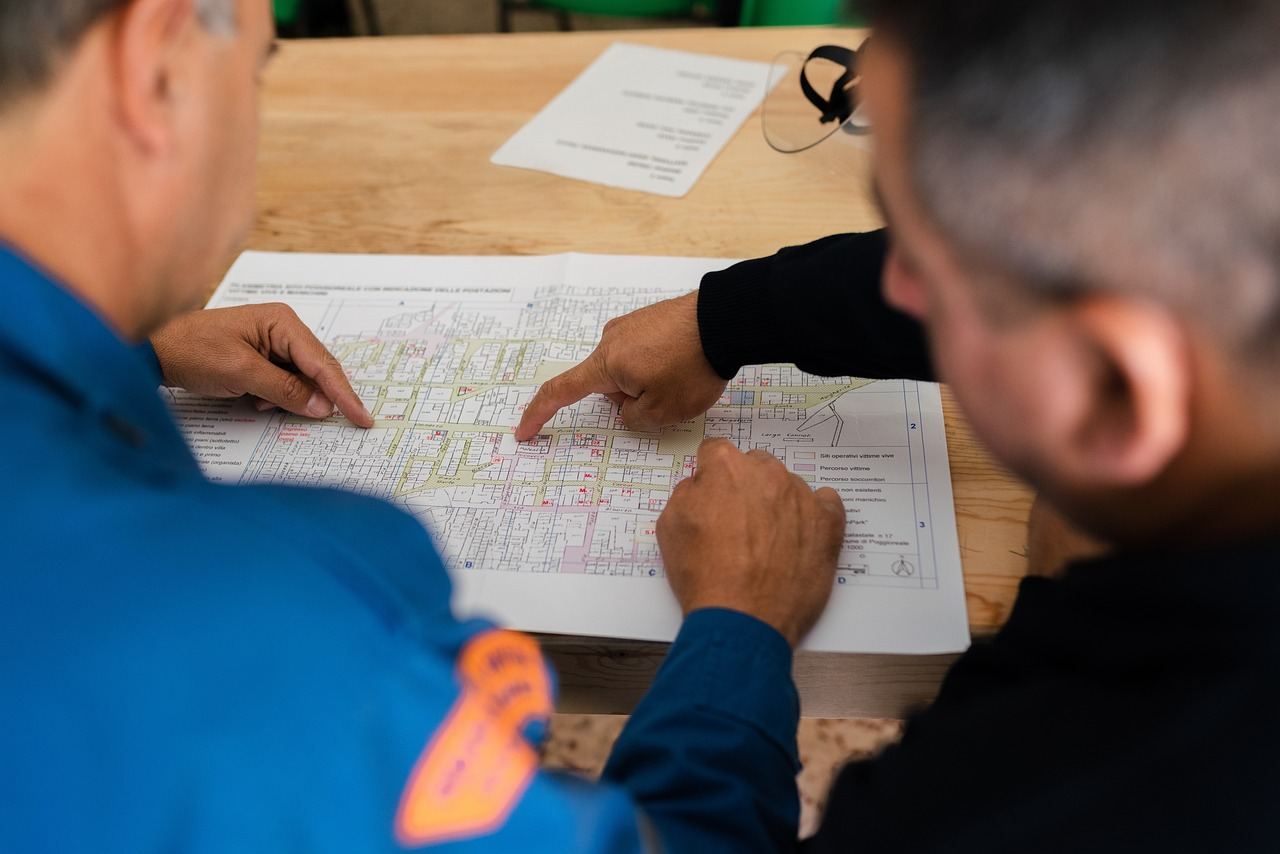
Wondering how agencies from different places end up working to one plan at an incident? The incident command system is a standard, all-hazards structure for managing an on-scene incident, so every agency works the same way.
This guide sits within the wider topic of emergency management and explains the structure, its built-in features and how it connects to training and planning.
| Item | Value |
|---|---|
| What ICS provides | A common structure for on-scene, all-hazards incident management |
| Where ICS sits | Within the National Incident Management System (NIMS) |
| Origin of the approach | FIRESCOPE system, which began in the 1970s |
| First NIMS document | Published by FEMA in 2004, revised in 2008 and 2017 |
| FEMA IS-700.b course length | Approximately 3.5 hours |
These figures come from FEMA’s Incident Command System page and the IS-700.b course introduction. They can change, so check the sources before you rely on them.
What is the incident command system?
According to FEMA’s Emergency Management Institute, the incident command system (ICS) provides a structure for on-scene all-hazards incident management. The stated aim is that all agencies can manage an incident with the same organizational structure, nationwide (FEMA EMI).
ICS is described as one of the key features of NIMS, the National Incident Management System. The shared structure is the point: responders from several agencies do not have to build an organization from scratch when they meet at the scene.
The wider framework is not limited to big events. FEMA’s course material says NIMS applies to all incidents, regardless of cause, size, location, or complexity, from planned events to traffic accidents and to major disasters (FEMA IS-700.b).
The management features built into ICS
FEMA’s page lists the features that the incident command system incorporates:
- Common terminology
- Management by objectives
- Incident action planning
- Span of control
- Resource management
- Unified communications
- Management of information
Read together, the list stresses shared language, shared planning and orderly handling of resources and information. Those are the things that let agencies coordinate under the same organizational structure (FEMA EMI).
How ICS fits within NIMS
FEMA’s course material traces NIMS back to the FIRESCOPE system, which began in the 1970s. It adds that NIMS builds on best practices from more than 40 years of improving interoperability in incident management (FEMA IS-700.b).
The first NIMS document was published by FEMA in 2004. The same course page says it was revised in 2008 and 2017, so check FEMA for the version in use today.
ICS is one lesson in the IS-700.b course, which covers these topics:
- Fundamentals and concepts of NIMS
- NIMS resource management
- NIMS management characteristics
- The incident command system
- Emergency operations centers
- Other NIMS structures and interconnectivity
- Communications and information management
Incident Management Teams and roles
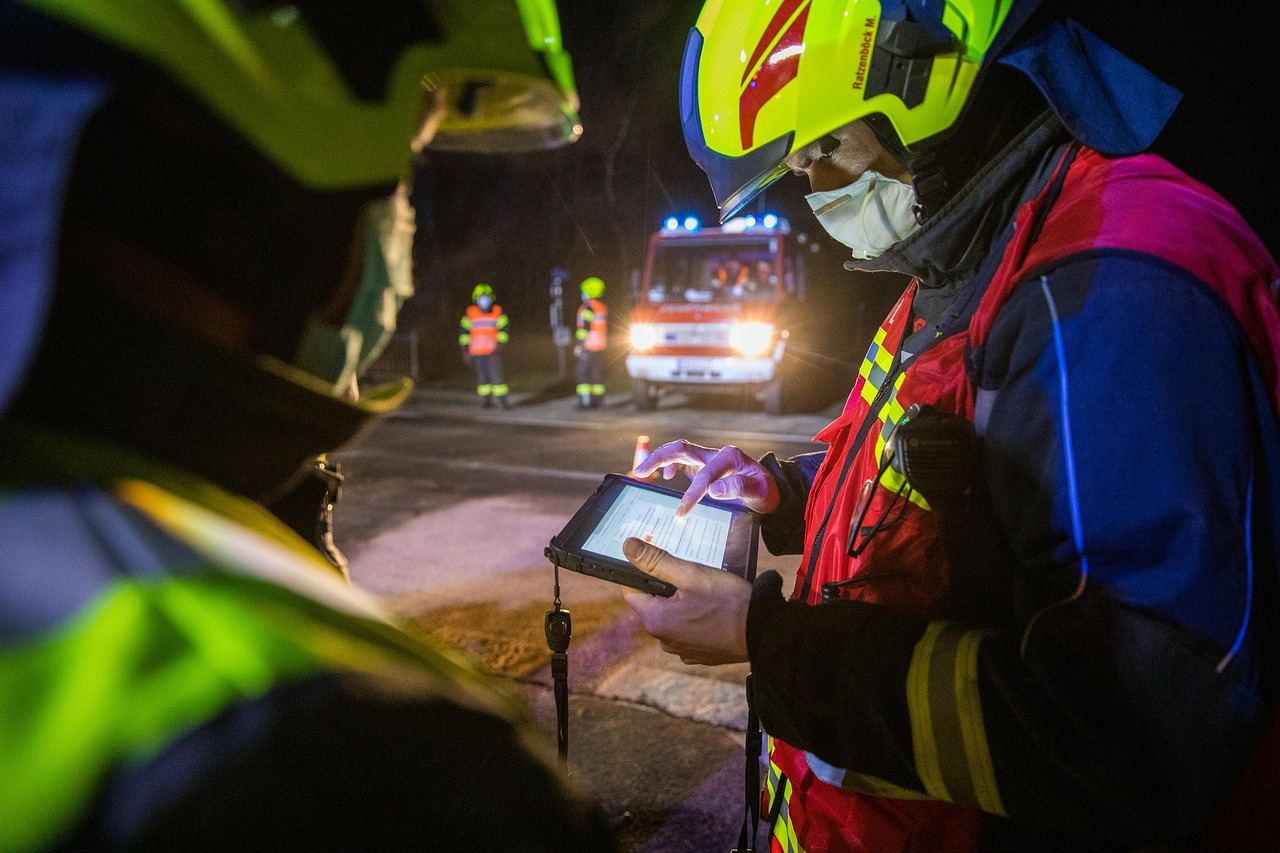
FEMA’s page notes that within the ICS structure, an Incident Management Team (IMT) may be initiated (FEMA EMI). It does not set out job titles or duties in the text reviewed for this guide.
For the exact positions and what each one is responsible for, use FEMA’s own ICS training and your local agency’s documentation. Role names written from memory can differ from the official versions, so it is better to rely on those materials.
Planning and training for ICS
The FEMA page says that ICS must be incorporated into planning and preparedness activities. It also says the personnel involved must take part in ICS training, such as the activities FEMA offers (FEMA EMI).
An emergency operations plan is a natural place for an agency to record how it intends to use the structure.
ICS is also described as all-hazards. A hazard vulnerability assessment can show which hazards a community faces most, and the same organizational structure still applies whichever ones rank highest.
This site is an independent educational resource. For anything that affects your own safety, follow your official local emergency authorities.
Frequently asked questions
Is ICS the same thing as NIMS?
Show answer
No. NIMS is the broader national approach to incident management, and ICS is one feature inside it, concerned with how an on-scene response is organized.
How long does the FEMA NIMS course take?
Show answer
FEMA says IS-700.b should take approximately 3.5 hours. To receive credit, students must complete the entire course and pass the final exam.
Can I get ICS training from somewhere other than FEMA?
Show answer
Possibly. FEMA’s page says further training opportunities may be available through your state emergency management office, so ask there (FEMA EMI).
Do members of the public use ICS during an emergency?
Show answer
ICS is a structure for responding agencies, not an instruction set for individual households. If an incident affects you, follow the guidance of your official local emergency authorities.