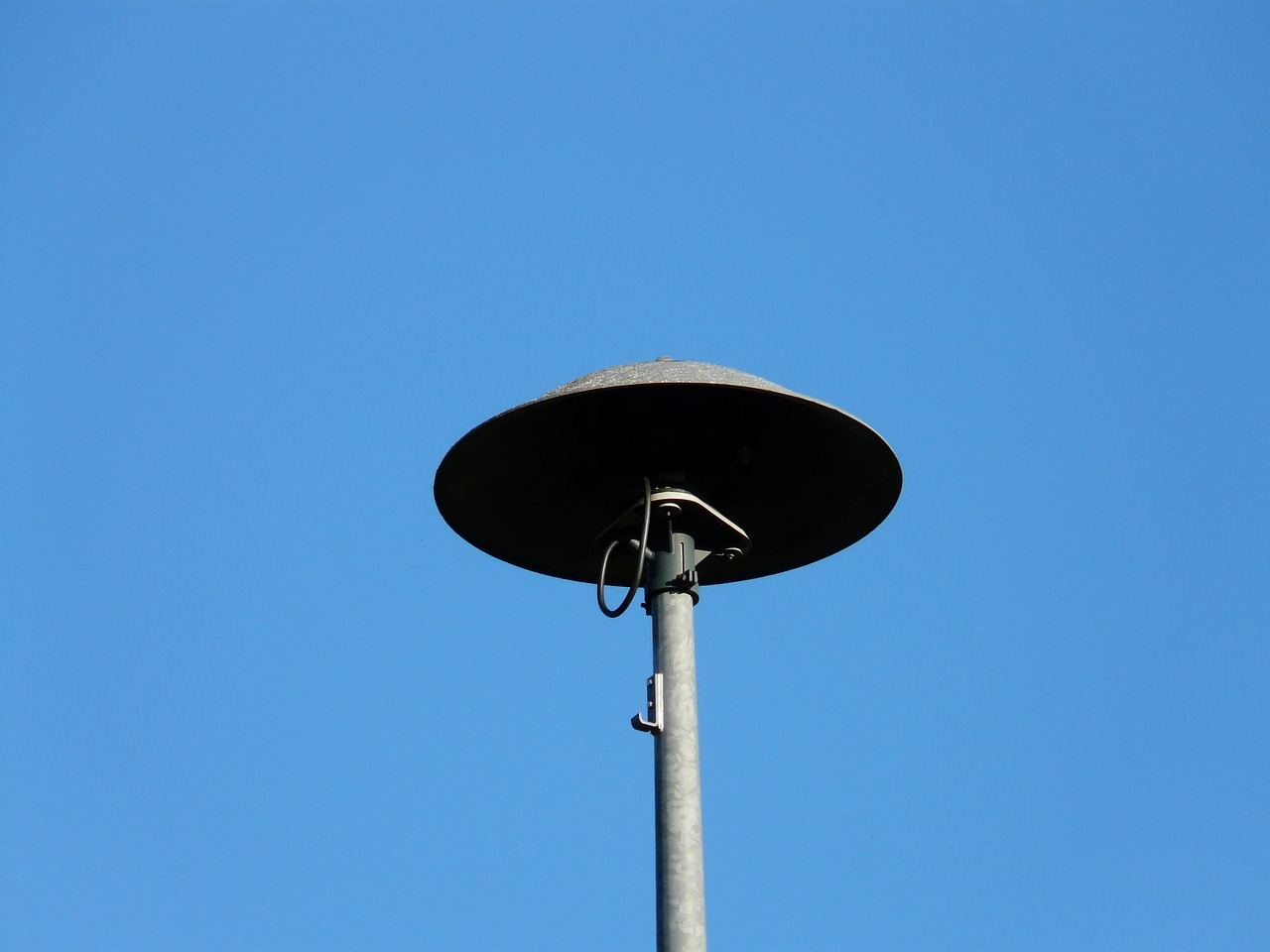
Not sure what outdoor warning sirens are telling you when they sound? The short answer: usage, testing and all-clear procedures vary widely across the U.S., so learn your own community’s rules from local emergency officials.
For the wider picture, read about how do emergency alerts work across sirens, phones and broadcast channels.
| Item | Value |
|---|---|
| Publication reviewed | NIST Technical Note 1950, “Outdoor Siren Systems: A review of technology, usage and public response during emergencies” |
| Published | February 6, 2017 |
| Authors | Erica D. Kuligowski and Katrina Wakeman |
| Event behind the review | NIST Technical Investigation of the 2011 Joplin, MO tornado |
| Finding on standards (as of the 2017 note) | No widely accepted standards for tornado emergency communications, including siren policies |
| Source page last updated | November 10, 2018 |
These figures come from NIST’s publication page for Technical Note 1950. They can change, so check the source before you rely on them.
What outdoor warning sirens are meant to do
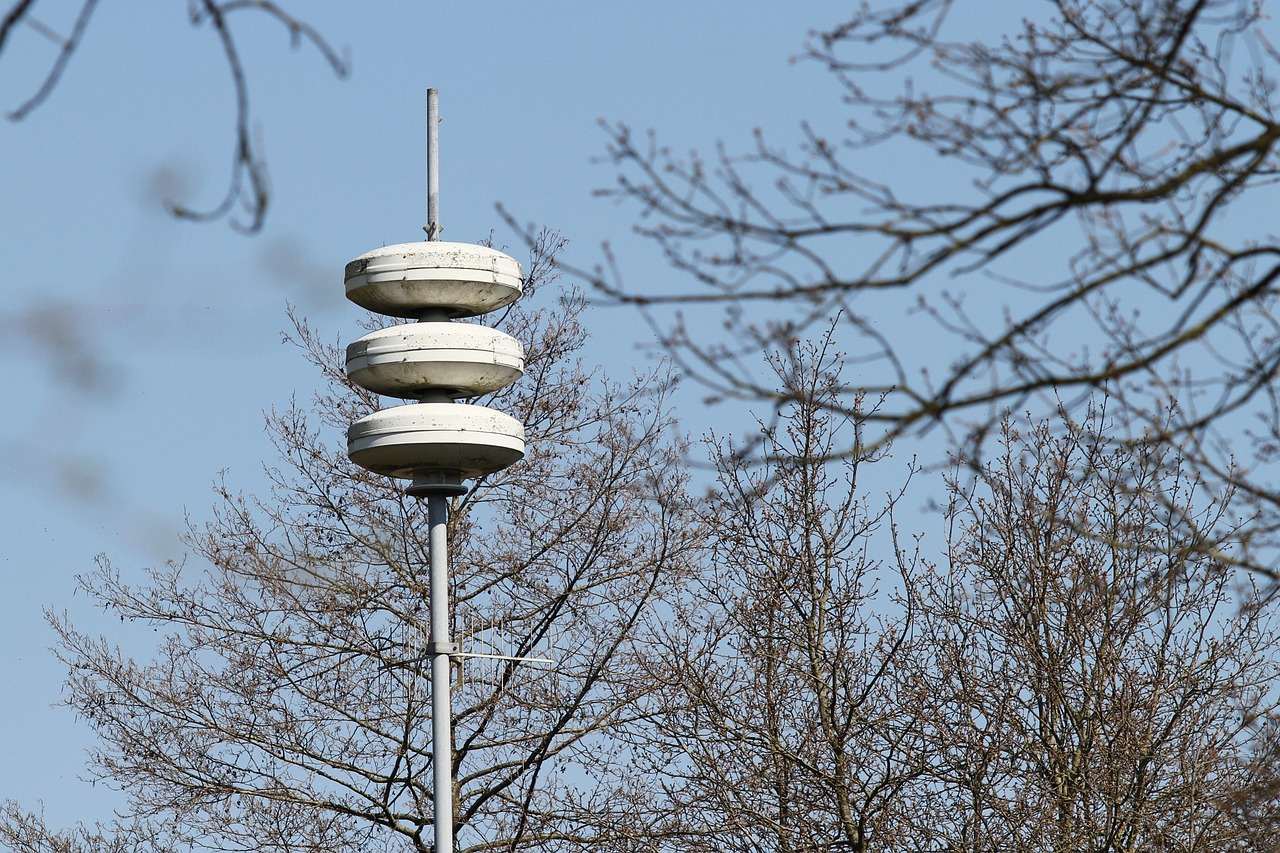
The NIST review describes outdoor siren systems as a tool to alert the public in advance of tornadoes. They sit alongside other alerting methods rather than replacing them.
A siren is best understood as a signal, not a full message. It draws attention, but on its own it gives you little detail, so you still need local officials to tell you what to do next.
What the NIST review covers
The report is NIST Technical Note 1950, published February 6, 2017 by Erica D. Kuligowski and Katrina Wakeman, according to the NIST publication page. It focuses on outdoor siren systems and presents a review of technology, usage and public response.
The document is organised in parts that build on each other:
- An overview of the current status of siren systems in the United States, covering the technology available to communities and how it is used.
- A literature review on how people respond to alerting signals, including sirens, and the limitations of sirens in light of those findings.
- A discussion of key findings and recommendations for improving outdoor siren systems, based on how people receive and process alerts.
The authors also describe it as the first report in a series. The series aims to develop evidence-based guidance for communities on public alerts, covering both siren systems and social media, including mobile alerts.
Why does siren usage differ from town to town?
The NIST investigation of the 2011 Joplin, MO tornado found that no widely accepted standards existed for emergency communications in tornado events. That finding includes policies on using sirens to warn the public ahead of tornadoes. The status is given as of NIST’s 2017 note, as shown on the NIST page.
The authors say the result is wide variation across the U.S. in several areas:
- How sirens are used.
- How sirens are tested.
- Education and training for residents.
- All-clear procedures.
NIST links that variation to distrust and confusion among residents about emergency communications. A sound that means one thing in your town may mean something different, or nothing at all, in the next.
Limits to keep in mind
The review ties the limitations of sirens to the way people receive and process alerts. In other words, a siren only works if people notice it, understand it and know what to do.
That is why consistent testing, training and all-clear steps matter. If residents are never told what a signal or an all-clear means, the same sound can produce hesitation instead of action.
The authors hope their guidance can eventually be used as a basis for standardising siren procedures through codes and standards. They note that standardisation could happen at several levels: among jurisdictions, state-wide, regionally or even nationally.
How sirens fit with other alert channels
Because NIST’s series covers sirens, social media and mobile alerts together, it treats alerting as a set of channels rather than a single tool. Each channel reaches people in a different way.
For a look at the phone side, see how location-based emergency alerts approach the same problem. Broadcast warnings are covered in the explainer on the emergency alert system radio tv pathway.
What you can do in your own community
This site is independent and educational. It does not issue warnings, so rely on your local emergency authorities for any safety instructions.
These questions are worth putting to your local emergency management office:
- What does each siren signal in our area mean?
- When and how are the sirens tested, so I can tell a test from a real warning?
- How will we know the danger has passed, and who announces it?
- Which other channels will carry warnings if I cannot hear a siren?
Frequently asked questions
Who wrote the NIST review of outdoor siren systems?
Show answer
The authors are Erica D. Kuligowski and Katrina Wakeman. Their review was meant as a starting point for evidence-based guidance on public alerts.
Is there a national standard for outdoor sirens?
Show answer
The NIST authors reported in their 2017 Technical Note that no widely accepted standard existed for siren policies. Rules may have changed since then, so ask your local emergency office what applies where you live.
Does a siren tell me what action to take?
Show answer
A siren is an attention signal, so the specific action depends on your local authorities’ instructions. Learn those instructions before an emergency, not during one.
Will this site warn me when sirens sound?
Show answer
No. This is an independent educational site and is not an alerting service or a source of live warnings. Follow official local channels for alerts.