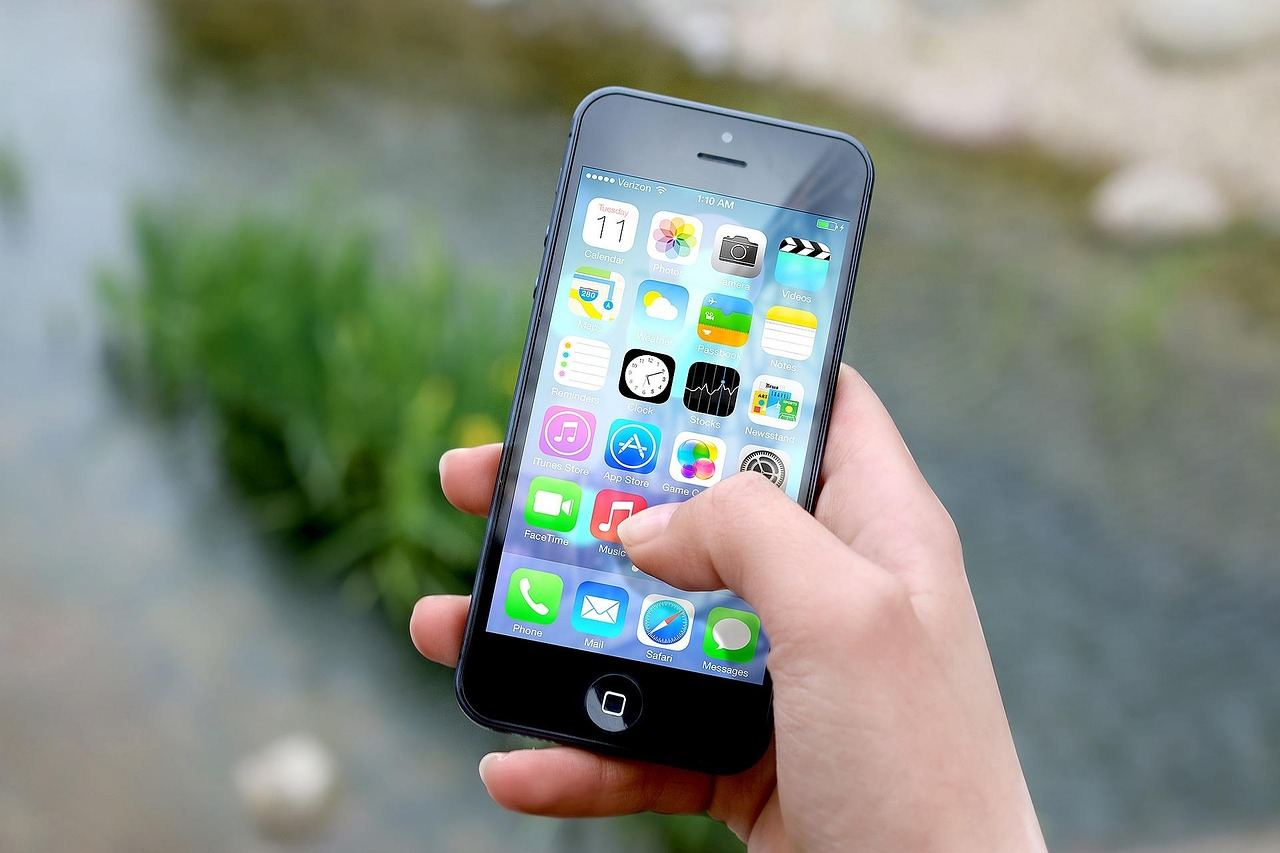
Wondering how a loud alarm can reach your phone without any app or sign-up? Wireless emergency alerts are short messages that authorized officials push to compatible phones in a targeted area, through FEMA’s IPAWS.
This page narrows the guide to how do emergency alerts work down to the phone-based channel.
| Item | Value |
|---|---|
| First WEA sent | June 28, 2012 |
| Original message limit | 90 characters |
| Expanded message limit (June 2020) | 360 characters |
| WEAs activated by the National Weather Service | 60,000 WEAs (as of its 2022 anniversary article) |
| Cost to receive | No charge, no subscription |
The figures come from the National Weather Service anniversary article and the Ready.gov alerts page. They can change, so check the source before you rely on them.
What are wireless emergency alerts?
Ready.gov describes Wireless Emergency Alerts (WEAs) as brief messages sent to WEA-enabled phones inside a locally targeted area. They look like text messages, but they are built to stand out.
As of Ready.gov’s May 2026 update, these alerting authorities are authorized to send WEAs:
- State, local, tribal and territorial public safety officials
- The National Weather Service
- The National Center for Missing and Exploited Children
- The President of the United States
The first WEA went out on June 28, 2012. According to the National Weather Service, it was a Flash Flood Warning near Santa Fe, New Mexico.
How a wireless emergency alert reaches your phone
WEAs are sent through IPAWS, FEMA’s national system for local alerting, according to Ready.gov. The same system lets public safety agencies send WEAs, Emergency Alert System messages and other weather and non-weather alerts at the same time, including via NOAA weather radios, sirens and digital billboards.
Ready.gov lists three traits of IPAWS worth knowing:
- Local targeting: alerts can be aimed so that only devices in the affected area receive them.
- Local control: local alerting authorities send their own alerts, and FEMA does not review, edit or approve them.
- Cost: there is no cost to receive or send IPAWS alerts, although authorities may pay minimal costs for IPAWS-compatible software.
Because FEMA does not edit alerts, questions about a specific message belong with the sender. Ready.gov advises contacting local officials directly with comments or concerns about WEAs sent in your area.
For more on how alert delivery compares with ordinary texting, see the guide to cell broadcast vs sms alerts. Readers who want technical background on alert message standards can also read about the common alerting protocol.
What your phone does when an alert arrives
A WEA is designed to get your attention with a unique sound and vibration repeated twice. Ready.gov says it is not affected by network congestion and will not disrupt texts, calls or in progress data sessions.
Receiving a WEA is free, and there is nothing to subscribe to.
If your phone does not show alerts
Ready.gov offers these troubleshooting tips:
- Check the settings on your phone and review your user manual, which may be online.
- Remember that older phones may not be WEA capable, and some models require you to enable WEAs.
- Ask your wireless provider whether it can resolve the issue.
Some providers use other labels. Ready.gov notes that some mobile service providers call these messages “Government Alerts” or “Emergency Alert Messages,” and that all major phone providers and some smaller ones take part in WEA.
When an alert does arrive, follow the instructions in the message and the guidance of your local emergency authorities.
How wireless emergency alerts have changed since 2012
In its 2022 anniversary article, the National Weather Service says the original message limit of 90 characters was expanded to 360 characters in June 2020. That leaves room for more detail about the hazard and for sheltering guidance.
The same article describes several changes the agency helped drive:
- Geographic targeting has improved on newer phones, which reduces false alarms for people outside the alert area.
- Flash flood WEAs are limited to floods expected to cause considerable or catastrophic damage.
- Severe Thunderstorm Warnings trigger a WEA only when the storm is expected to be destructive.
- Emergency wording can be used when a tornado or flash flood is expected to be catastrophic.
What the National Weather Service says it would like next
In that article, an NWS expert says the agency wants WEAs to include a map showing the threat relative to the recipient. The agency says it has already recommended this to the Federal Communications Commission.
It also wants updates delivered during an event, especially for people traveling through the alert area. These are stated goals as of the 2022 article, not confirmed features.
Real-world reach and examples
The National Weather Service reports that it had activated 60,000 WEAs for hazardous weather since 2012. It also cites Pew Research for the finding that 97% of Americans own a cell phone, which is why WEAs reach so many people.
The same source recounts the July 26, 2012 tornado in Elmira, New York, which carved a 10 mile path and damaged 2,000 structures. Officials initially expected fatalities, yet there were no injuries, and many survivors said a WEA Tornado Warning reached them.
On July 1, 2013, a Tornado Warning was issued for East Windsor, Connecticut. A camp manager who saw the alert moved 29 children and 4 other camp counselors out of a soccer dome and into a sturdy building, and the dome was then lifted by the winds, as the NWS account describes.
Frequently asked questions
Do I need to download an app to get wireless emergency alerts?
Show answer
No. The National Weather Service says WEAs arrive without any app download or service subscription, provided your phone is compatible and the setting is enabled.
Do children receive WEAs too?
Show answer
Yes. Ready.gov says children also get alerts on their WEA-enabled devices, and it encourages parents and guardians to talk with them about what the alerts mean.
Is a WEA the same as the Emergency Alert System?
Show answer
No. Ready.gov explains that the Emergency Alert System is a national public warning system carried by broadcast TV and radio, satellite and cable services. It allows the president to address the nation within 10 minutes during a national emergency, whereas WEAs go to phones.
Are WEAs available in languages other than English?
Show answer
Spanish-language messages were added for phones set to Spanish alongside the June 2020 length expansion, according to the National Weather Service. The agency adds that it envisions additional languages in future.